

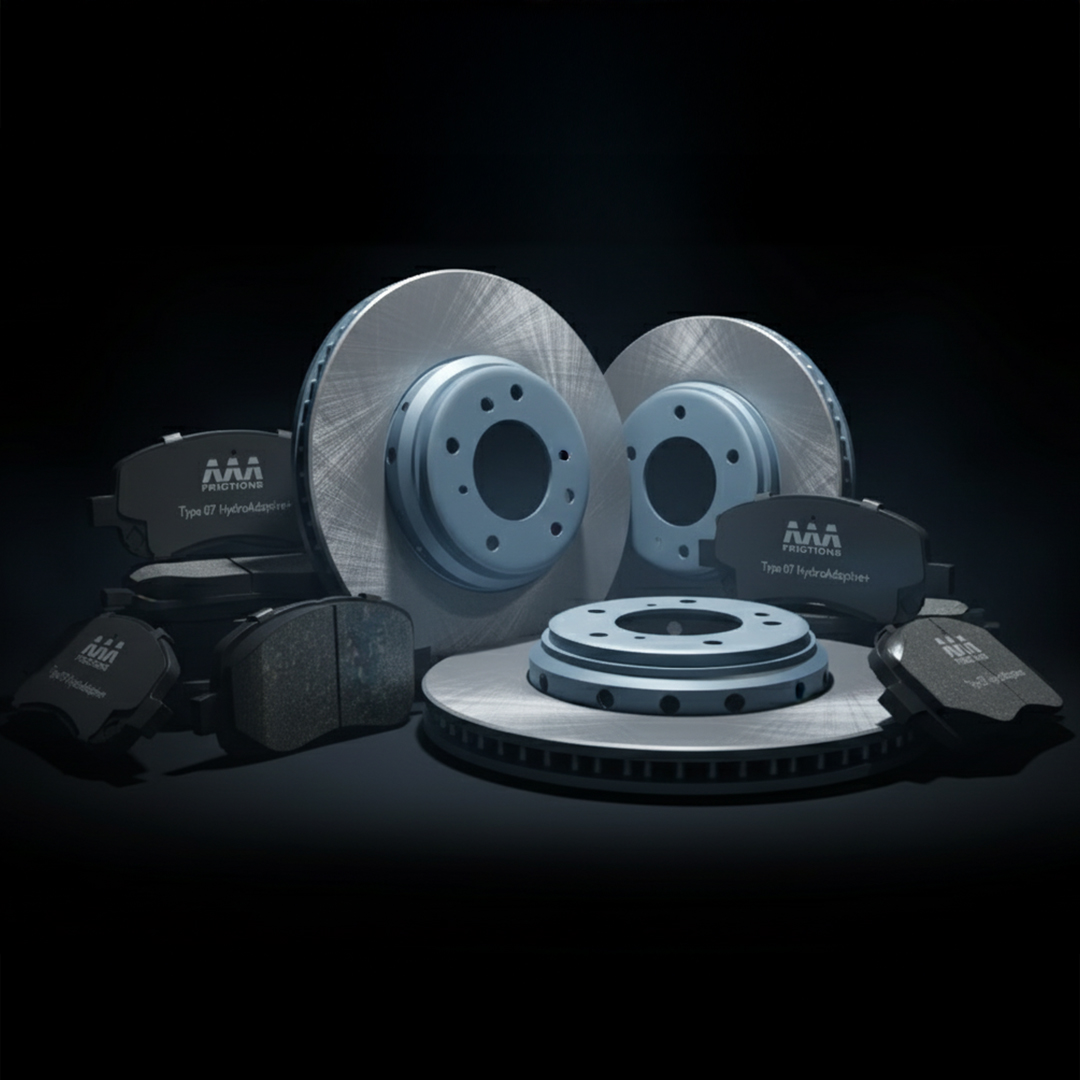
My Brakes Are Squeaking, But Is It Really Because of Your Brake Pads or Brake Rotors?
My Brakes Are Squeaking, But Is It Really Because of Your Brake Pads or Brake Rotors?
Hearing your brakes squeak can feel unsettling. You tap the pedal and suddenly your vehicle makes a noise that turns heads for the wrong reasons. Many drivers instantly blame their brake pads or brake rotors, but the truth is more surprising. Your brakes might be perfectly fine. At Anytime, Any Weather, Anywhere, we help drivers understand the real reasons behind brake noise so they can fix issues early and drive with confidence.
Your Brakes Might Be Squeaking For Real Reasons
When your brakes make noise, your brake pads or rotors might need attention, but not always. Here are common causes that do come directly from the brake system.
Worn Brake Pads
Brake pads include a small indicator that touches the rotor once the pad becomes thin. This creates a clear squeal that lets you know the pads need replacement.
Glazed Brake Pads or Rotors
Heavy braking and repeated heat can glaze the surface of the pads or the rotors. This hardened layer creates a sharper squeal during braking.
Lower Quality Brake Pad Material
Pads made with inexpensive friction material can contain metal fragments. These fragments create noise when they scrape the rotor surface.
Moisture or Light Rust
Overnight moisture can leave a thin layer of rust on the rotors. You may hear a brief squeal during the first few stops of the day, but the sound usually fades quickly.
If your brakes show any of these signs, a quick inspection will help you stay safe anytime you drive.
Noise After Installing New Brakes
Drivers often feel concerned when they hear noise right after installing new brake pads or rotors. It feels natural to blame the new parts, but new brake components rarely cause the noise. Other factors usually play a bigger role.
Suspension Components That Need Attention
Bushings, links, and mounts in the suspension can squeak when the vehicle shifts weight during braking. The improved stopping response from new brakes can make these sounds more noticeable.
Worn Wheel Bearings
Wheel bearings can create a humming, grinding, or chirping sound. The noise often feels like a brake issue, but it changes with speed rather than pedal pressure.
Calipers or Slide Pins That Need Lubrication
A sticking caliper or dry slide pin can cause noise even with brand new brake pads and rotors. If the slide pins were not cleaned and lubricated during installation, the caliper can drag and create a squeal.
Installation or Hardware Issues
Improper alignment, missing clips, or uneven torque can create noise right away. These issues are uncommon but worth checking.
The key point is simple. Fresh brake parts rarely create noise on their own. A full brake and suspension inspection reveals the true cause quickly and clearly.
Sometimes The Noise Does Not Come From Your Brakes At All
Drivers often blame the brake system for the wrong noise. Many other components can create similar sounds.
Failing Wheel Bearings
Bearings create a steady growl or hum that rises with speed. Because the sound appears during braking moments, it often gets mistaken for brake noise.
Suspension Movement
Ball joints, bushings, and strut mounts can squeak during weight transfer. This makes the noise appear exactly when you press the brake pedal.
Dust Shields That Touch the Rotor Surface
A dust shield can bend slightly and touch the rotor. This creates a sharp squeal that feels like a failing brake pad.
Road Debris
Pebbles or small stones can lodge near the rotor and create a loud, sudden screech.
Tire Noise
Certain tire materials or worn tread blocks can squeal during low speed braking or tight turns.
Our technicians check all of these components so you never replace good brake parts by mistake.
How To Understand Where The Noise Comes From
You can observe a few simple clues before you reach a shop.
- Noise only during braking usually points to the brake system
- Noise while coasting often suggests bearings or suspension
- Noise that fades after a few stops often relates to moisture or light rust
- Noise that changes during a turn often indicates a worn bearing or CV joint
- Noise that starts right after a brake service often relates to calipers, slide pins, suspension, or installation rather than the new brake parts themselves
These details help you get a faster and more accurate diagnosis.
Why You Should Get Your Brake Noise Checked Soon
Brake and wheel noises rarely go away for long and often lead to bigger issues when ignored. Early inspection protects your brake system, suspension components, tires, and wheel bearings. It also prevents costly repairs and helps you maintain safe driving conditions Anytime, Any Weather, Anywhere.
Final Thoughts: Brake Noise Deserves Attention, Not Assumptions
A squeak or grind does not always mean your brake pads or brake rotors have failed. It often points to something else entirely. Your vehicle creates noise for a reason and we help you understand what that reason is. Finding the cause early keeps your vehicle reliable, quiet, and ready for every road ahead.
If you face any noise or performance issues with your brakes or any of our products, please contact us and our customer service team will be happy to help. We support you Anytime, Any Weather, Anywhere.