
How Much Does Replacing Brake Pads and Rotors Cost and How Much Should It Cost?
How Much Does Replacing Brake Pads and Rotors Cost and How Much Should It Cost?
When drivers start searching for answers about brakes and brake pads and rotors, they usually want one thing. A straight and simple cost breakdown. Yet the real story behind brake pads and brake rotors replacement goes deeper than numbers. It touches trust, transparency, and control over what goes onto your vehicle. At AAA Friction, we believe your braking confidence should work for you Anytime, Any Weather, Anywhere.
Actual Cost Breakdown for Brake Pads and Brake Rotors Replacement
Let us start with the practical math most drivers want to see.
Typical Labour Cost
- Front and rear brake service across most Canadian garages averages four hundred dollars in labour
- Some shops calculate labour by axle
- Two hundred dollars per axle is a common rate
Typical Garage Parts Pricing
Most garages sell parts at their internal markup. Expect:
- Three hundred to six hundred dollars for brake pads and brake rotors depending on your vehicle model
- Limited choice and no guarantee of premium performance unless you request it
Real World Example Cost (Garage Controlled Parts)
- Labour four hundred dollars
- Parts four hundred to six hundred dollars
Estimated total: Eight hundred to one thousand dollars
This explains why so many drivers feel nervous walking into a brake service appointment.
The Value of Buying Your Own Brake Pads and Brake Rotors
You can shop for brake pads and rotors online and bring the parts to the mechanic. Some mechanics may charge a small additional handling fee because they do not earn from the parts. Even with that fee, the value shifts in your favour.
You control the quality.
You control the performance.
You control what actually gets installed.
AAA Friction offers complete front and rear brake pads and rotors kits for two hundred to five hundred dollars depending on your vehicle. Even if a mechanic adds a modest fee, you gain transparency that no garage markup can match.
Updated Math With Your Own Brake Pads and Brake Rotors
Let us calculate it clearly.
Scenario One: Using AAA Friction Brake Kit
- AAA Friction brake pads and rotors kit: two hundred to five hundred dollars
- Labour: four hundred dollars
Estimated total:
Six hundred to nine hundred dollars
Bottom Line
This total often equals or comes lower than what a garage charges when they choose the parts for you. Yet now you know exactly what is on your vehicle and why it performs the way it does.
Why Brake Pad Choice Matters More Than Most Drivers Realize
Brake pads influence stopping distance, pedal feel, and performance in extreme weather. Quality matters.
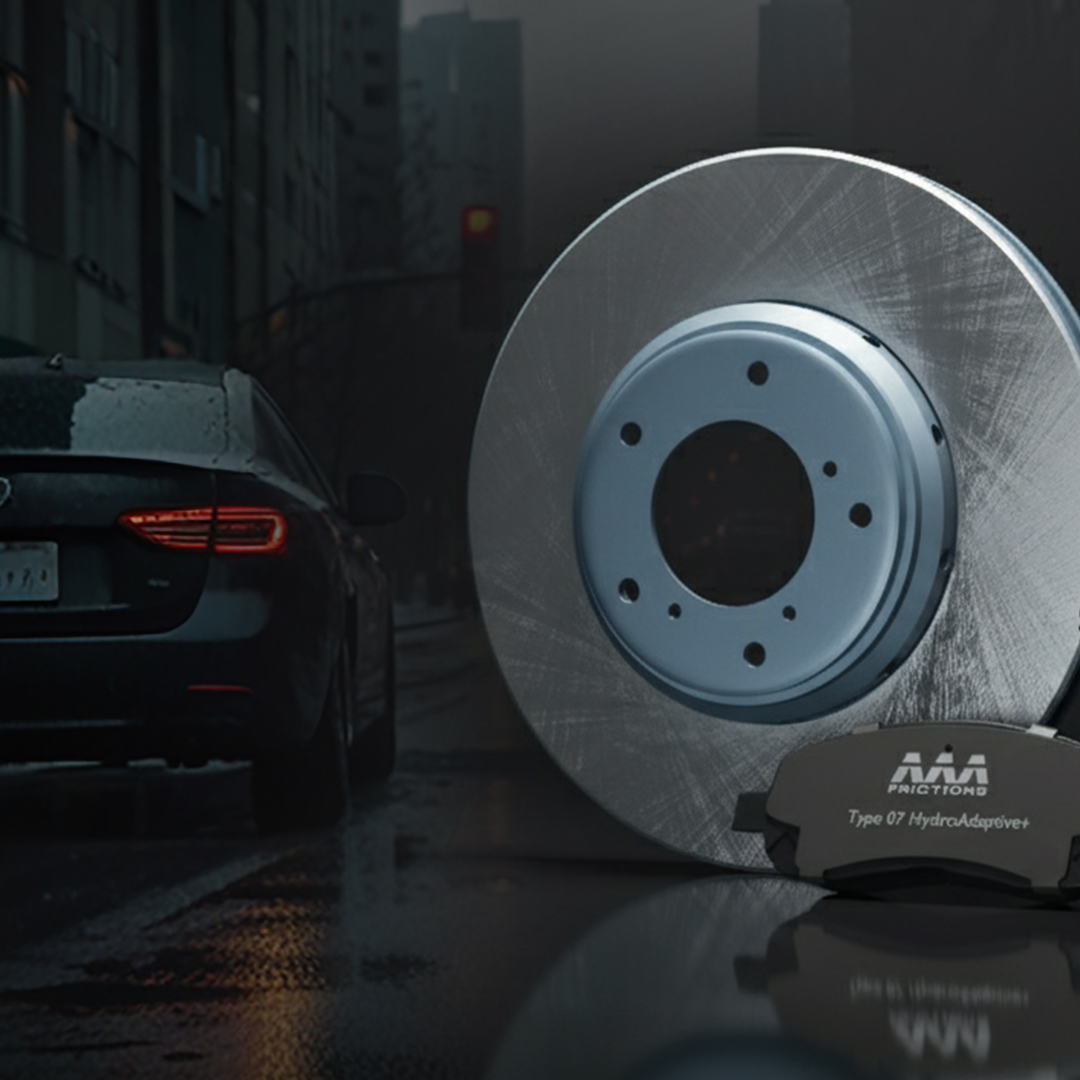
Our Type 03 brake pads deliver consistent braking in rainy weather which makes them the first brake pads engineered for dependable wet weather performance. Our Type 07 brake pads carry the world’s first winter rated designation thanks to their reliable cold weather braking performance. These breakthroughs support the AAA Friction promise of stopping power Anytime, Any Weather, Anywhere.
The Real Question Is Not What It Costs to Replace Brakes. It Is What It SHOULD Cost.
Here is the irony. Most drivers think the big question is:
“How much does it cost to replace brake pads and brake rotors?”
But the real question should be:
“How much should it cost?”
The ideal fair range is simple.
AAA Brake Kit Price plus four hundred dollars for labour.
That formula gives you:
- Transparency
- Predictable cost
- Quality control
- Consistent performance
- The confidence of choosing the braking parts that protect your family
Mechanics and shops have their own pricing styles, yet your final value depends on two choices.
The parts you pick and the mechanic you trust.
When you understand both, the question of cost becomes easy and predictable.
Why Every Driver Should Take Time to Learn About Their Brakes
Brakes protect your life. You can take off any way you like, but you must stop when it matters. That truth never changes.
Even if you pay the same total at the end, understanding your brake pads and brake rotors helps you make informed decisions. Safety becomes intentional rather than accidental.
Knowledge gives confidence.
Confidence gives control.
Control gives safety Anytime, Any Weather, Anywhere.